
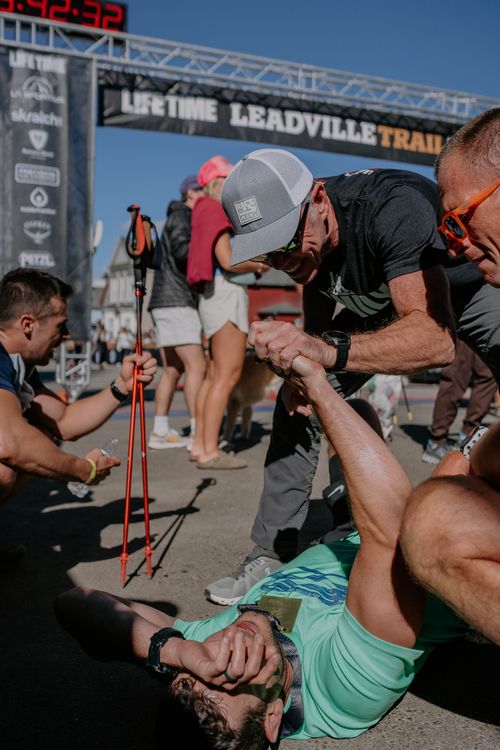
Understanding Pain: The Alarm System of the Body
Pain is interesting. Its meaning is deeply personal and can be interpreted a thousand different ways. Some people seek it out and embrace it. Others fear it and do everything possible to avoid it.
But pain is necessary. It’s part of our biology, part of life itself. It shows up whether we like it or not — and how we respond to it can shape our experience.
The Pain We Choose
As athletes, we live with pain. We even embrace it. Our mantra becomes “no pain, no gain.”
We suffer now so we can perform later. When we cross that finish line or hear the final buzzer, all the pain fades into a distant haze. We’re already thinking about the next challenge. Much like childbirth, I imagine — the memory softens, but the strength remains.
When I was younger, I didn’t mind the pain of hard work — the burn in my lungs racing down the basketball court or pushing through the last stretch of a marathon. Somehow, there was always a little extra gas in the tank when I needed it most. The discomfort would disappear for a moment, replaced by the exhilaration of effort. Making that layup or setting a new PR made the burn all the more gratifying.
Now that’s a kind of pain I can get behind.
The Pain We Don’t Choose
But what happens when the pain isn’t that kind? When it’s sharp, alarming, or leaves a queasy feeling deep in your gut — that’s your body’s way of saying something isn’t right. That type of pain isn’t to be ignored; it’s asking for attention before something worse develops.
So, Let’s Talk About Pain
Welcome back to my blog. I’m starting a series of posts to help you understand your body better — starting with pain.
As a society, we don’t talk enough about how pain actually works. Pain has a purpose. It’s our internal alarm system, signaling us to take action before things get worse.
So here I am — your friendly neighborhood PT — ready to help you tackle pain head-on so it doesn’t control your life. My goal is to help you get back on your bike, lace up your shoes, and return to the starting line with confidence.
Pain Is an Alarm System
Think of pain as your body’s alarm system. You don’t have specific “pain receptors.” What you do have are receptors that detect pressure, temperature, and movement. When something crosses a certain threshold, those signals travel to your brain — your body’s computer — for processing.
If your brain interprets that signal as a threat, it sends a warning back to the area, and that’s when you feel pain.
In a simple injury, pain may last one to two weeks. For more complex injuries, it might take four to six weeks. In most healthy individuals, tissue healing is typically complete by around 12 weeks. At that point, the injury is healed — the tissues are fine — but sometimes, the pain remains.
So what’s going on? Are you doomed to live with that pain forever? Are you broken?
Absolutely not.
When Pain Lingers
When pain lasts long after an injury heals, it’s not that your body is broken — it’s that your brain has adapted. It’s learned to view that area as unsafe. The alarm system is still sounding even though the fire’s been put out.
The beautiful thing about our brains is that they can relearn. Just as we can develop pain, we can train our nervous system to calm it down. But first, we have to understand why the brain still thinks we’re in danger.
Maybe it’s fear, anxiety, stress, or even the memory of the initial injury. Once we identify what’s fueling that signal, we can start to turn down the volume.
Pain is created by the brain, but that also means it can be changed by the brain.
Why Pain Persists
How long pain lasts depends on several factors:
- The severity of the tissue injury
- How the injury occurred
- Your fear or stress levels
- The meaning or emotions attached to the event
- And many other personal variables
Pain is never just physical. It’s emotional and psychological, too.
When pain isn’t managed well, it can linger like an unwanted guest. And because it involves so many factors — stress, movement patterns, mindset — it can sneak into every part of life.
If your pain persists, look for what might be keeping that alarm switched on:
- Are you moving differently to avoid pain?
- Are you under high stress?
- Are you struggling with fear or anxiety about the pain itself?
Each of these can feed the cycle.
Rewiring the System
Since pain starts in the brain, it can also end in the brain. Medication and exercise can help, but true healing begins with belief — belief that your body can recover.
Fear, stress, and negative thoughts can amplify pain. High stress increases inflammation, which makes tissues more sensitive. Negative self-talk reinforces the brain’s sense of threat.
The good news? You have more control than you think.
- Corrective exercises can retrain your movement.
- Relaxation techniques and better sleep can calm your nervous system.
- Talking to a trusted friend or journaling can help process fear and worry.
Your pain is real — always. But understanding what drives it gives you the power to change it.
Looking at Pain Holistically
Pain management isn’t one-size-fits-all. To truly address it, look at the whole picture:
1. Sleep: If you’re not sleeping well, your body can’t repair itself properly. Aim for consistency and quality.
2. Nutrition: Stay hydrated. Water lubricates joints, transports nutrients, regulates temperature, and supports brain function. Fuel your body with whole foods — carbs, proteins, and fats — to keep your systems running efficiently.
3. Movement: Are you under-training or overtraining? Do you include strength training to support your joints and bones? Balance is key.
4. Mental health: Are you grateful or constantly negative? Are you under chronic stress? Your mindset affects your hormones and your pain perception.
We can’t control everything, but we can control our choices — what we eat, how we move, how we think, and how we rest.
Discipline and Small Wins
If you’re living with chronic pain, start small. Identify one area you can improve today.
As Jocko Willink, retired Navy SEAL and author, says: “Discipline equals freedom.” Discipline is simply the act of choosing what’s best for you — one decision at a time.
Skip the drive-thru. Take a short walk. Go to bed earlier. Drink a glass of water. Give yourself grace when it’s hard.
Those small choices compound over time, like interest in your body’s bank account.
Don’t let pain dictate your life. Take the road less traveled — and little by little, find your way out of the pain cycle.
Final Thought
Pain is part of life, but it doesn’t have to define it.
Understand it. Manage it. Believe that your body can heal — because it can.